

How Often Should a Septic Tank Be Cleaned? Factors You Need to Know
December 9, 2025
|Water Tank
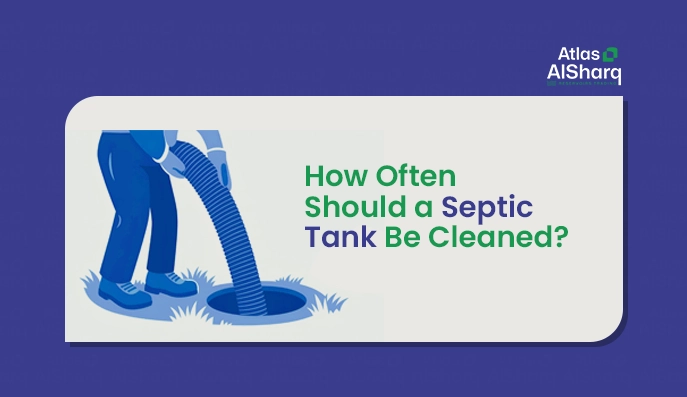
Table of Contents
- Key Factors That Determine Cleaning Frequency
- Signs Your Septic Tank Needs Immediate Attention
- The Benefits of Regular Maintenance
- Quick Reference Guide: Cleaning Frequency by Household Size
- Choosing the Right Septic Tank Solution
- Final Recommendations
- Ready to upgrade to a durable, low-maintenance septic solution?
Proper septic tank maintenance is crucial for the longevity of your wastewater system and the health of your property. One of the most common questions homeowners and property managers ask is: how often should a septic tank be cleaned? While the general recommendation is every 3-5 years, several factors can influence this timeline.
Key Factors That Determine Cleaning Frequency
Household Size and Water Usage
The number of people using the septic system directly impacts how quickly it fills up. A family of five will generate significantly more wastewater than a couple, meaning more frequent cleaning is necessary. Similarly, high water usage from activities like laundry, dishwashing, and bathing accelerates the accumulation of solids in your tank.
Tank Size
Larger septic tanks can handle more waste before requiring cleaning. If your tank capacity is undersized for your property’s needs, you’ll need more frequent maintenance. Modern GRP (Glass Reinforced Plastic) septic tanks offer various sizes to match different requirements, ensuring optimal performance and longer intervals between cleanings.
Read More: As a general rule, a 1,000-gallon tank serves a household of 4 people comfortably. For commercial properties or larger households, tanks ranging from 1,500 to 3,000 gallons may be more appropriate.
Type of Waste
What goes down your drains matters. Excessive use of garbage disposals, harsh chemicals, grease, and non-biodegradable items can fill your tank faster and disrupt the natural bacterial breakdown process. Being mindful of what enters your septic system can extend the time between cleanings.
System Age and Condition
Older septic tanks may require more frequent inspections and cleanings. However, investing in a high-quality, durable septic tank system from the start can reduce maintenance needs over time.GRP septic tanks are known for their corrosion resistance, structural integrity, and longevity, making them an excellent choice for both residential and commercial properties.
Read More: GRP septic tanks can last 30+ years with proper maintenance, compared to traditional concrete tanks which may deteriorate in 20-25 years, especially in harsh climates or areas with high water tables.
Signs Your Septic Tank Needs Immediate Attention
Don’t wait for your scheduled cleaning if you notice these warning signs:
- Slow draining sinks, toilets, or showers
- Unpleasant odors near the tank or drain field
- Pooling water or soggy ground above the septic tank area
- Sewage backup in your home
- Lush, unusually green grass over the drain field
Pro Tip: Keep a maintenance log with inspection dates, cleaning records, and any issues observed. This helps you track patterns and ensures you never miss scheduled maintenance.
The Benefits of Regular Maintenance
Keeping up with septic tank cleaning offers several advantages. It prevents costly emergency repairs and system failures, protects groundwater and the environment from contamination, extends the life of your entire septic system, and maintains property value and compliance with local regulations.
Read More: Emergency septic repairs can cost 3-5 times more than routine maintenance. A typical cleaning costs between AED 500-1,500, while emergency repairs or system replacement can run into tens of thousands of dirhams.
Quick Reference Guide: Cleaning Frequency by Household Size
- 1-2 people: Every 5+ years
- 3-4 people: Every 3-4 years
- 5-6 people: Every 2-3 years
- 7+ people: Every 1-2 years
Note: These are general guidelines. Actual frequency depends on tank size and usage patterns.
Choosing the Right Septic Tank Solution
When it comes to septic tank installation or replacement, quality matters. At Atlas Group, we specialize in GRP septic tanks that combine durability, efficiency, and environmental responsibility. Our tanks are designed to withstand harsh conditions while requiring minimal maintenance, giving you peace of mind for years to come.
Final Recommendations
For most households, scheduling a septic tank inspection every 1-2 years and cleaning every 3-5 years is a good baseline. However, consulting with a professional who can assess your specific situation is always the best approach. Regular maintenance is an investment in your property’s infrastructure and the environment.
Ready to upgrade to a durable, low-maintenance septic solution?
Explore Atlas Group’s GRP septic tanks or contact our experts today for a consultation.
Frequently Asked Questions?
How do I know when my septic tank is full?
Warning signs include slow drains, gurgling sounds in pipes, sewage odors, standing water near the drain field, or sewage backup. However, don’t wait for these signs—schedule regular inspections every 1-2 years to check sludge and scum levels before problems occur.
What happens if I don’t clean my septic tank regularly?
Neglecting septic tank maintenance can lead to system failure, sewage backups into your home, contamination of groundwater, expensive emergency repairs (often 5-10 times the cost of routine cleaning), and potential health hazards for your family and neighbors.
Can I clean my septic tank myself?
No, septic tank cleaning should always be done by licensed professionals. The process involves specialized equipment, proper waste disposal, and safety protocols. DIY attempts can be dangerous due to toxic gases and can damage your system.
Are GRP septic tanks better than concrete tanks?
GRP (Glass Reinforced Plastic) septic tanks offer several advantages: they’re lightweight yet durable, corrosion-resistant, won’t crack or leak like concrete, have a longer lifespan (30+ years), require less maintenance, and are easier to install. They’re particularly suitable for the UAE’s harsh climate conditions.
What’s the difference between pumping and cleaning a septic tank?
“Pumping” and “cleaning” are often used interchangeably, but cleaning is more thorough. Pumping removes liquid and floating solids, while proper cleaning includes removing all sludge from the bottom, inspecting the tank for damage, and checking all components for proper function.
Share:


Related Posts
-
October 21, 2025
|Water Tank
Water Tank Sizing Guide: How to Choose the Right Capacity for Your Home or Building
Read MoreImagine this: It’s a hot summer day in Dubai, and you’re anticipating a cool shower after a long day—only to have your water tank gone dry. Or maybe you’ve recently bought an oversized tank that’s wasting you money while gobbling up precious storage space. These are more frequent than you might imagine, and all of […]
-
August 26, 2025
|Water Tank
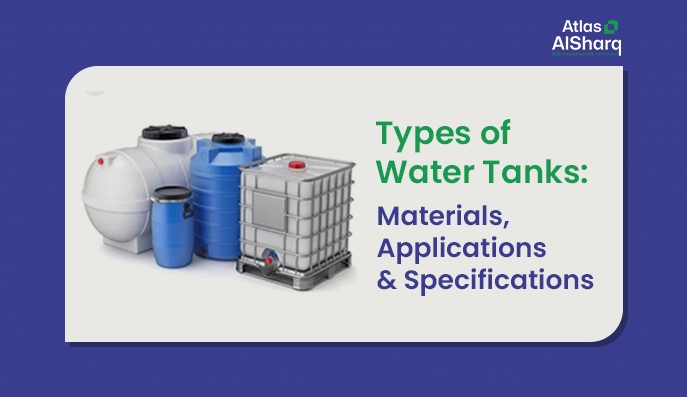
Types of Water Tanks: Materials, Applications & Specifications
Read MoreWater storage is an essential part of contemporary infrastructure for residential, commercial, or industrial use. With the wide range of water tanks in the market, choosing the best solution can have a major influence on efficiency, cost savings, and durability. This detailed guide delves into the various types of water tank , materials, uses, and […]
Explore Our Range and Enquire Now for Expert Advice!
Create Smart Solutions With Us Today