

GRP Applications Across Industries: Transforming Modern Construction
January 19, 2026
|Grp Lining
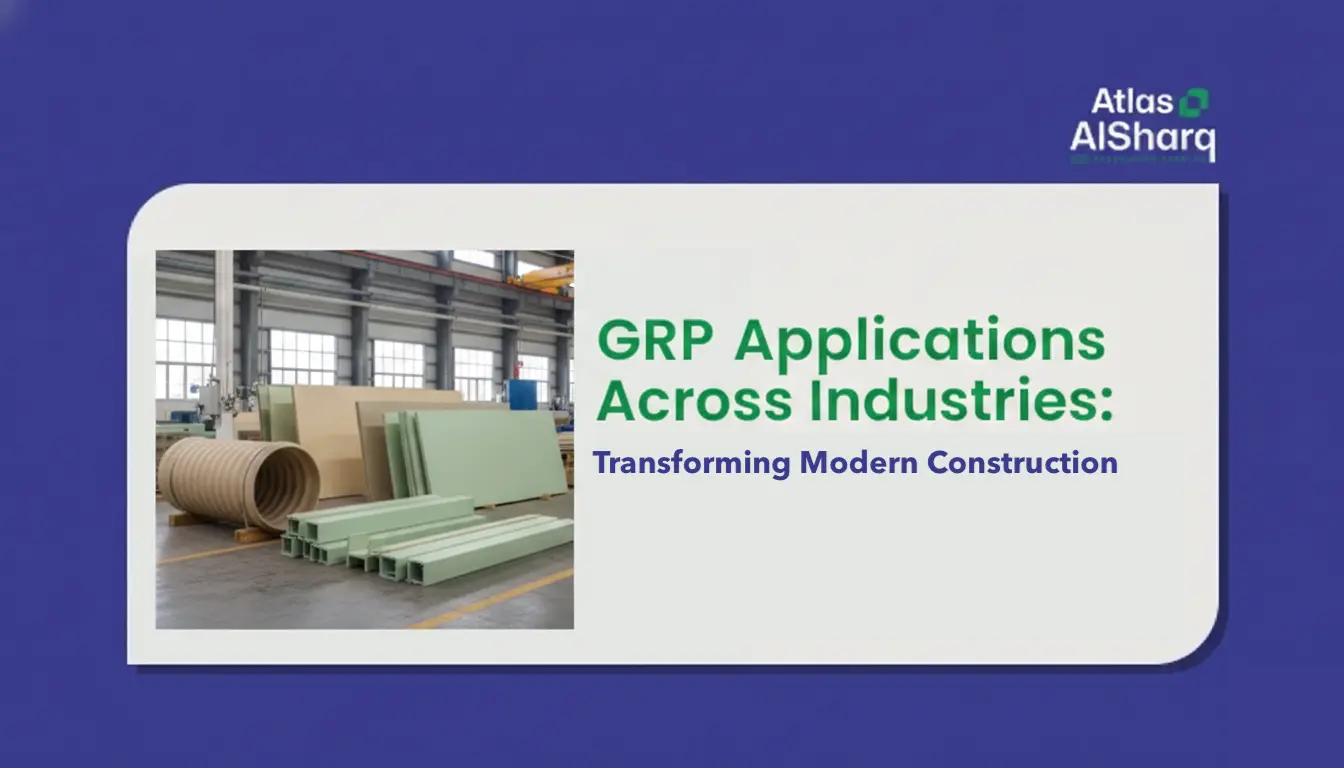
Table of Contents
- Understanding GRP: The Composite Advantage
- Why GRP Dominates Modern Construction
- Main Applications of GRP in Construction
- Need expert guidance on GRP solutions?
- GRP Applications Beyond Construction
- Planning an industrial project?
- The Future of GRP in Construction
- Selecting the Right GRP Supplier
- Conclusion
- Looking for reliable GRP solutions for your next project?
Glass Reinforced Plastic, also known as Glass Reinforced Polymer, commonly referred to as fiberglass, has emerged as a revolutionary composite material, transforming industries worldwide. Combining the strength of glass fibres with the versatility of polymer resins, GRP offers an exceptional solution for demanding applications where traditional materials fall short. Be it in the UAE’s challenging climate or across world construction projects, GRP has risen to every occasion time and again.
Understanding GRP: The Composite Advantage
Generally, GRP is produced by reinforcing polymer matrix materials, normally polyester, vinyl ester, or epoxy resins with fine glass fibres. The final material acts synergistically: properties of the material are better than those of either component. The glass fibres carry the tensile strength, while the resin matrix binds them together and transfers the loads within the structure, giving an incredibly strong material yet remarkably light.
Why GRP Dominates Modern Construction
The construction sector has experienced a major shift towards the use of GRPs, and this has been attributed by a number of factors that include:
- Superior Strength/Weight Ratio: The strength of the fabricated parts made of GRP can be comparable to, if not stronger than, steel, but with much lower weight. The effect of this important property is that the cost of transporting, handling, and erecting the structure on-site becomes negligible.
- High Corrosion Resistance:Unlike steel and concrete, GRP is impervious to corrosion from chemicals, saltwater, and harsh environmental conditions. This property makes it invaluable in coastal regions like the UAE, chemical processing facilities, and wastewater treatment plants.
- Improved Safety Features: GRP is non-conductive by nature, which makes it safe to be used in areas with electric equipment. Furthermore, using anti-slip coatings and appropriate resin can make GRP extremely safe even when it is wet.
- Design Flexibility: The molding technique used to produce GRP allows it to be molded to any shape and design, giving the architect and the engineer the ability to design and create something that would be difficult to achieve with other materials.
Pro Tip: When selecting GRP products for coastal environments, always verify UV stability ratings. Quality GRP with proper UV inhibitors maintains structural integrity and appearance for decades, even under intense sun exposure.
Main Applications of GRP in Construction
1. Water Storage and Management Systems
GRP water tanks are one of the most crucial applications in construction and especially in the UAE, where proper water storage is important. Advantages of using GRP tanks are that:
- Hygienic, non-contaminating storage prevents bacterial growth and algae formation.
- Modular panel tank configurations for large-capacity requirements
- Resistance to extreme variations in temperature
- Compliance with international standards in drinking water
- Minimal maintenance over 15-20 year lifetimes
From residential buildings to commercial complexes to industrial facilities, GRP water tanks ensure safe, reliable water storage without the corrosion issues plaguing traditional steel tanks or the weight concerns of concrete alternatives.
2. Structural Components and Support Systems
GRP has revolutionized structural applications in construction:
Flooring and Walkways: GRP grating and slab systems provide durable, slip-resistant flooring solutions for industrial facilities, offshore platforms, and commercial buildings. The open mesh designs allow for drainage and ventilation while supporting substantial loads.
Platforms and Access Structures: Elevated platforms, step-overs,and access ladders manufactured from GRP offer corrosion-free service in aggressive environments. Their lightweight nature simplifies installation at height while maintaining structural integrity.
Handrailing Systems: GRP handrails combine safety with durability, requiring no painting or rust treatment throughout their service life. They’re particularly valuable in outdoor applications and corrosive environments.
Pro Tip: For high-traffic areas, specify GRP grating with a grit-top surface. This provides superior slip resistance compared to standard mesh surfaces, especially in wet conditions or areas exposed to oils and chemicals.
3. Building Facades and Architectural Elements
Modern architecture increasingly incorporates GRP for aesthetic and functional purposes:
- Cladding Panels: GRP architectural cladding offers unlimited colour and texture options while protecting building exteriors from weathering
- Decorative Elements: Columns, beams, and ornamental features can be precisely molded in GRP, providing visual appeal with minimal weight
- Roofing Solutions: GRP roofing sheets deliver weather-resistant, energy-efficient coverage with excellent UV stability
Need expert guidance on GRP solutions?
Our team helps you select the right products for your specific application.
4. Infrastructure and Civil Engineering
Large infrastructure projects require large amounts of composites. The use of GRP has
- Bridges and walkways made using GRP parts enable longer life spans when exposed to coastal and industrial zones. Less weight means there is minimal foundation work needed.
- Drainage Systems: GRP pipes and channels offer resistance to the acidity that is characteristic of drainage systems. This ends the early ageing found in concrete sewers. There is no turbulence generated because of the non-stick interior.
- Trench Covers & Safety Systems: Modular trench covers are provided with high-quality GRP. The trench cover provides access to cables and drainage channels securely. It is possible to cut them to size without using hot work permits.
5. Specialized Construction Applications
- Riser Void Solution: A GRP flooring system designed to protect the riser void permanently during concrete pours is ideal. This system is designed with micro-mesh to prevent the fall of any object, including construction tools, to the lower floors.
- Marine structures such as docks, piers, and boat ramps are highly suited to the high resistance to saltwater corrosion and marine growths exhibited by GRP, cutting maintenance costs over treated wood and steel alternatives.
- Chemical Containment: Secondary containment structures and chemical storage tank systems utilize GRP’s resistance to a wide range of chemicals, protecting both personnel and the environment.
Pro Tip: When installing GRP tanks for chemical storage, ensure proper ventilation systems are in place. While GRP resists most chemicals, proper venting prevents pressure buildup and extends tank life.
GRP Applications Beyond Construction
Even though the dominant application area for GRP is the construction industry, GRP has many applications in different industries due to its versatility
- Oil & Gas: The oil rig industry uses GRP grating, handrails, and structural materials that are highly resistant to harsh environments but remain non-conductive.
- Water & Wastewater Treatment: From treatment tanks to walkways crossing process basins, GRP is resistant to corrosive substances found in water treatment plants.
- Transportation: Railway platforms, stations, and parts of vehicles use GRP because of its robustness and low maintenance costs.
- Industrial Manufacturing: Chemical processing plants, Food and Beverages plants, and Pharmaceutical manufacturing environments take advantage of the inherent corrosion and cleanliness attributes of GRP.
Planning an industrial project?
Discover how GRP can reduce maintenance costs and extend asset life
The Future of GRP in Construction
Technological developments of GRP technology have also been extending their uses. These include:
- Bio-based and recycled resin systems for enhanced environmental sustainability
- Bio-based and recycled resin
- Fire-resistant formulations with improved properties
- Smart GRP materials incorporating sensors for structural health monitoring
- Increased use of new manufacturing processes, leading to lower prices and enhanced quality
As the complexity of construction activities continues to rise and demands for sustainability become more stringent, the applications of GRPs will continue to escalate. Its properties of performance, durability, and sustainability have inevitable applications in the construction industry of the future
Selecting the Right GRP Supplier
When it comes to your construction, it’s important to partner with suppliers who have expertise in GRPs and familiarity with your country’s requirements, as well as international norms. Here are the things you should look for when it comes to your suppliers
- Quality products from reputable manufacturers
- Technical knowledge in Product Selection and Specification
- Local awareness of climatic and environmental factors
- Organizational support throughout the project phases
- Experience with similar tasks and applications
For construction projects in the UAE, working with established GRP suppliers ensures access to products tested and proven in similar demanding conditions, backed by the technical support necessary for successful implementation.
Pro Tip: Always request material certificates and compliance documentation. Quality GRP products should meet international standards like ASTM, ISO, or BS EN specifications relevant to your application.
Conclusion
GRP has radically altered the face of modern construction by providing solutions that surpass traditional materials in performance. It started with critical water storage applications and has continued with structural components and infrastructure projects. Today, it goes further with architectural applications.
While the construction sector remains on the move in pursuit of even greener, more efficient, and long-lasting construction techniques, GRP remains poised to take up the challenge. No matter the type of construction you are undertaking – residential, commercial, or industrial, it would be an excellent idea to look into the uses of GRP.
Looking for reliable GRP solutions for your next project?
Contact experienced GRP suppliers who understand your specific requirements and can deliver quality products backed by comprehensive technical support.
Frequently Asked Questions?
What are the main applications of GRP in the construction industry?
GRP is primarily used for water storage tanks, structural components (grating, walkways, platforms), building facades, drainage systems, handrails, and specialized applications like chemical containment. In the UAE, GRP water tanks are particularly popular due to their corrosion resistance and ability to withstand extreme temperatures while maintaining water quality.
How long do GRP products last in construction applications?
Quality GRP products typically last 15-20 years or more with minimal maintenance. In harsh environments like the UAE, properly manufactured GRP with UV stabilizers can maintain structural integrity and appearance for decades. The actual lifespan depends on factors like resin quality, installation practices, and environmental conditions.
Is GRP stronger than steel for construction purposes?
GRP offers a superior strength-to-weight ratio compared to steel. While it may not match steel’s absolute strength in all applications, GRP can be stronger than steel for the same weight. It’s significantly lighter (up to 75% lighter), making it easier to transport, install, and handle on construction sites while delivering comparable performance in many applications.
Why is GRP preferred over traditional materials in UAE construction?
GRP is ideal for UAE construction because it resists corrosion from humidity and saltwater, withstands extreme temperature fluctuations, requires minimal maintenance in harsh climates, and remains non-conductive for electrical safety. Unlike steel, it doesn’t rust, and unlike concrete, it’s lightweight and won’t crack from thermal stress.
Share:


Related Posts
-
January 6, 2026
|Grp Lining
Choosing Between GRP and GRC for UAE Construction Projects
Read MoreWhen it comes to contemporary construction and architectural works, material selection is amongst the most important aspects in ensuring the project is successful. Two of the most significant composite materials currently being used in construction are GRP (Glass Reinforced Plastic) and another similar composite material known as GRC (Glass Reinforced Concrete). Although they appear similar […]
-
September 1, 2025
|Grp Lining
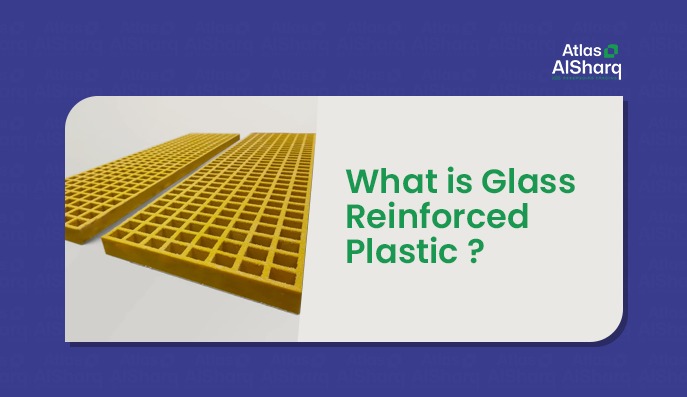
What is GRP or Glass Reinforced Plastic? Properties, Benefits & Applications
Read MoreFull Form of GRP The full form of GRP is Glass Reinforced Plastic, a high-performance composite material made by reinforcing polymer resin with fine glass fibres. This combination creates a material that is lightweight, extremely strong, and highly resistant to corrosion, chemicals, and moisture. Because of these properties, GRP is widely used in industries such […]
Explore Our Range and Enquire Now for Expert Advice!
Create Smart Solutions With Us Today