

Common Water Tank Contamination Causes and How to Prevent Them
December 22, 2025
|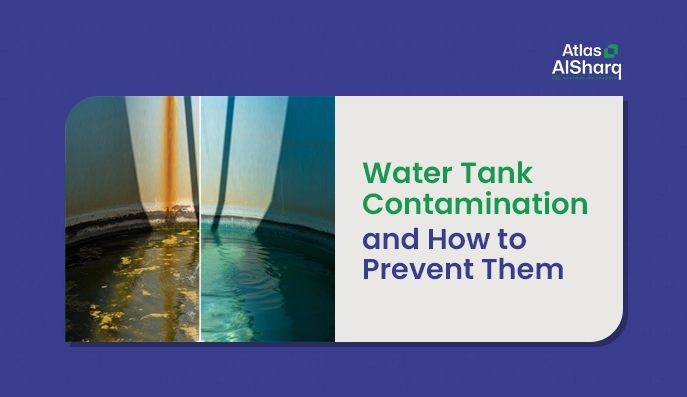
Water tanks are the essential storage medium for clean water in each and every home and building across the UAE. If these water tanks are not well cared for, they can be a perfect place where harmful contaminants breed and compromise the quality of water supplied to the home or building, thus posing serious health risks. Understanding the common causes of water tank contamination and the way preventive measures are enacted is important in ensuring your family or business is supplied with safe, clean water.
Major Causes of Water Tank Contamination
1. Bacterial and Microbial Growth
Stagnant water forms a very conducive environment where bacteria, viruses, and other microorganisms can multiply rapidly. If the tanks are not well maintained, harmful pathogens like E. coli, Salmonella, and Legionella take a keen interest in these poorly managed tanks, especially with the UAE having warm weather throughout most of the year. These microbes can inflict serious waterborne diseases that range from petty gastrointestinal problems to severe life-taking respiratory infections.
Pro Tip: The UAE’s hot climate accelerates bacterial growth. Tanks exposed to temperatures above 20°C require more frequent monitoring and cleaning to prevent Legionella proliferation.
2. Algae Development
Where water tanks are uncovered or under direct sunlight, the growth of algae surfaces on the inside of the tank becomes rather quick. This green slime serves not only to seriously affect the clarity and taste of your water but also pipes and filters to such an extent that it sometimes will reduce the pressure on your entire system. Some species of algae have toxins that will further increase health risks.
3. Sediment and Sludge Accumulation
Over time, the minerals, sand, rust particles, and organic matter settle at the bottom of your water tanks, forming a thick layer of sediment. This cuts down on storage capacity, provides a harbor for injurious bacteria to multiply, and may introduce heavy metals into your water supply. This layer of sediment eventually becomes a repository for contamination.
Related Service: Water Tank Cleaning Service
4. Rust and Corrosion
More aged water tanks have metal components, which can easily rust and corrode once exposed to moisture and oxygen. Surfaces that have corroded allow iron particles to be released into the water, making it discolored and affecting the taste. The inner processes of rust weaken the structure of the tank and may lead to leaks, contaminating it even from the outside world.
Pro Tip: Switching toGRP (Glass Reinforced Plastic) tanks eliminates rust concerns entirely. These modern tanks are corrosion-resistant and maintain water purity for decades.
5. Pest and Animal Intrusion
Many tanks are not sealed or are poorly covered, providing points of entry for insects, rodents, and birds. These animals contaminate the water supply with feces, debris, and disease-carrying organisms. Mosquitoes especially breed prolifically in stagnant water and are known vectors for diseases such as dengue fever.
6. Inadequate Tank Covers and Seals
Missing or broken tank covers create entry points for dust, sand, and air-borne pollutants to the water supply. In desert environments, such as found in UAE, wind-borne particles quickly accumulate in exposed tanks, degrading water quality and introducing outside contaminants.
Warning Signs of Contaminated Water
Be alert to these indicators that your water tank may be contaminated:
- Cloudy, discolored, or murky water
- Unpleasant odors (musty, metallic, or chemical smells)
- Unusual taste (bitter, salty, or metallic)
- Visible particles or sediment in water
- Reduced water pressure
- Skin irritation or rashes after bathing
- Frequent digestive issues among household members
Notice any of these signs?
Don’t wait—contaminated water poses serious health risks. Schedule a professional tank inspection today to protect your family’s health.
Effective Prevention Strategies
Regular Professional Cleaning
Schedule professional water tank cleaning every six months for residential properties and quarterly for commercial facilities. Professional services use specialized equipment and approved sanitizers that clean and disinfect tanks, removing sediment, biofilm, and microbial contamination.
Dubai Municipality recommends biannual cleaning for all residential water tanks to comply with health and safety standards. Ourprofessional water tank cleaning services ensure complete compliance and water safety.
Proper tank sealing
Ensure that your water tank has a tight, well-fitting cover to prevent dust, insects, and other debris from getting inside. Regularly check the seals; replace any damaged covers immediately. Put mesh screens in place over vents and overflow pipes to keep pests out but allow for ventilation.
Quality Tank Materials
Invest in good-quality GRP/fiberglass tanks, corrosion-resistant, and resistant to bacterial growth and UV degradation. Materials designed specifically for water storage maintain excellent water quality compared with previous metal tanks. Atlas AlSharq offers quality GRP tanks that are second to none, per international standards for safe water storage.
Periodic Inspections
Visually inspect your water tank every three months. Check for cracks, leaks, rust, or other structural damage. When safely possible, inspect inside the tank for any sediment build-up, algae growth, or signs of pest activity. Early detection prevents minor issues from becoming major contamination problems.
Need expert help?
Our water tank repair services address structural issues before they compromise water quality.
Ensure Proper Water Circulation
Avoid stagnation of water. Ensure proper turnover and usage of water periodically. Similarly, for oversized tanks or buildings that consume very little water, circulation systems installation or appropriate sizing of tanks according to actual consumption should be promoted. Moving water minimizes the opportunity to support bacterial growth.
Water Quality Testing
Regular tests of water quality by accredited laboratories are required to establish the safety of water supplied and locate the source of contamination, if any, before it becomes a serious health hazard. Testing must include bacterial counts, chemical parameters, and heavy metal content. This is particularly important for schools, hospitals, and commercial buildings.
External Resource: WHO Guidelines for Drinking Water Quality
Reduce Sunlight Exposure
Position the tanks away from direct sunlight or use opaque material tanks, in order to prevent the growth of algae. If shifting is not possible, then cover the top of the aquarium or install shades that block UV exposure when necessary while ensuring proper ventilation of the aquarium environment.
Professional Solutions from Atlas AlSharq
At Atlas AlSharq, we understand the critical importance of clean water storage. Our comprehensive solutions include:
- Premium GRP Water Tanks: Our corrosion-resistant, food-grade tanks are designed specifically for the UAE climate, preventing contamination from the start. Browse our range o f PVC water tanks, horizontal tanks, and sectional GRP box tanks.
- Professional Cleaning Services: Our expert team provides thorough water tank cleaning and disinfection using industry-approved methods and eco-friendly sanitizers.
- GRP Lining and Waterproofing: We offer specialized lining solutions to restore and protect existing tanks from corrosion and contamination.
Protect Your Water Supply Today
Contact Atlas AlSharq for a free consultation on water tank solutions
Conclusion
Water tank contamination is a preventable problem that requires attention and regular maintenance. Understanding the common causes of contamination means you can take the proper steps in the prevention of this kind of situation, therefore securing clean and safe water for your property. Visible contamination signs are just the tip of the iceberg, so proactive maintenance ensures health safety and also provides peace of mind while extending the life of the tank.
For professional water tank solutions in the UAE, rely on the expertise of Atlas AlSharq in the field of GRP products and water tank maintenance. Call us today to schedule an inspection or learn more about our premium water storage solutions designed for reliability and safety that lasts.
Frequently Asked Questions?
How often should water tanks be cleaned in the UAE?
Residential water tanks should be professionally cleaned every 6 months, while commercial and industrial facilities require quarterly cleaning. However, if you notice any warning signs like discolored water or unpleasant odors, schedule immediate cleaning regardless of the last service date. The UAE’s hot climate accelerates bacterial growth, making regular maintenance critical.
What are the main signs of water tank contamination?
The most common indicators include cloudy or discolored water, unpleasant odors (musty, metallic, or chemical), unusual taste, visible sediment or particles, reduced water pressure, skin irritation after bathing, and frequent digestive issues among household members. If you notice any of these signs, contact a professional immediately.
Can I clean my water tank myself or should I hire professionals?
While basic external maintenance can be done yourself, thorough internal cleaning requires professional expertise, specialized equipment, and approved sanitizers. Professionals can safely remove sediment, eliminate biofilm, disinfect the entire system, and identify structural issues. They also ensure compliance with Dubai Municipality health and safety standards.
What type of water tank is best for preventing contamination?
GRP (Glass Reinforced Plastic) and fiberglass tanks are ideal for the UAE climate. They are corrosion-resistant, don’t support bacterial growth, resist UV degradation, and maintain water purity better than traditional metal tanks. These materials are specifically designed for long-term water storage and meet international safety standards.
How do I know if my water tank has Legionella bacteria?
Legionella bacteria thrive in warm, stagnant water (20-45°C). Symptoms of Legionnaires’ disease include fever, cough, shortness of breath, muscle aches, and headaches. However, the bacteria can only be definitively detected through professional water testing by accredited laboratories. If your building has hot water systems, cooling towers, or large storage tanks, regular Legionella testing is essential.
Share:


Explore Our Range and Enquire Now for Expert Advice!
Create Smart Solutions With Us Today