

Choosing Between GRP and GRC for UAE Construction Projects
January 6, 2026
|Grp Lining
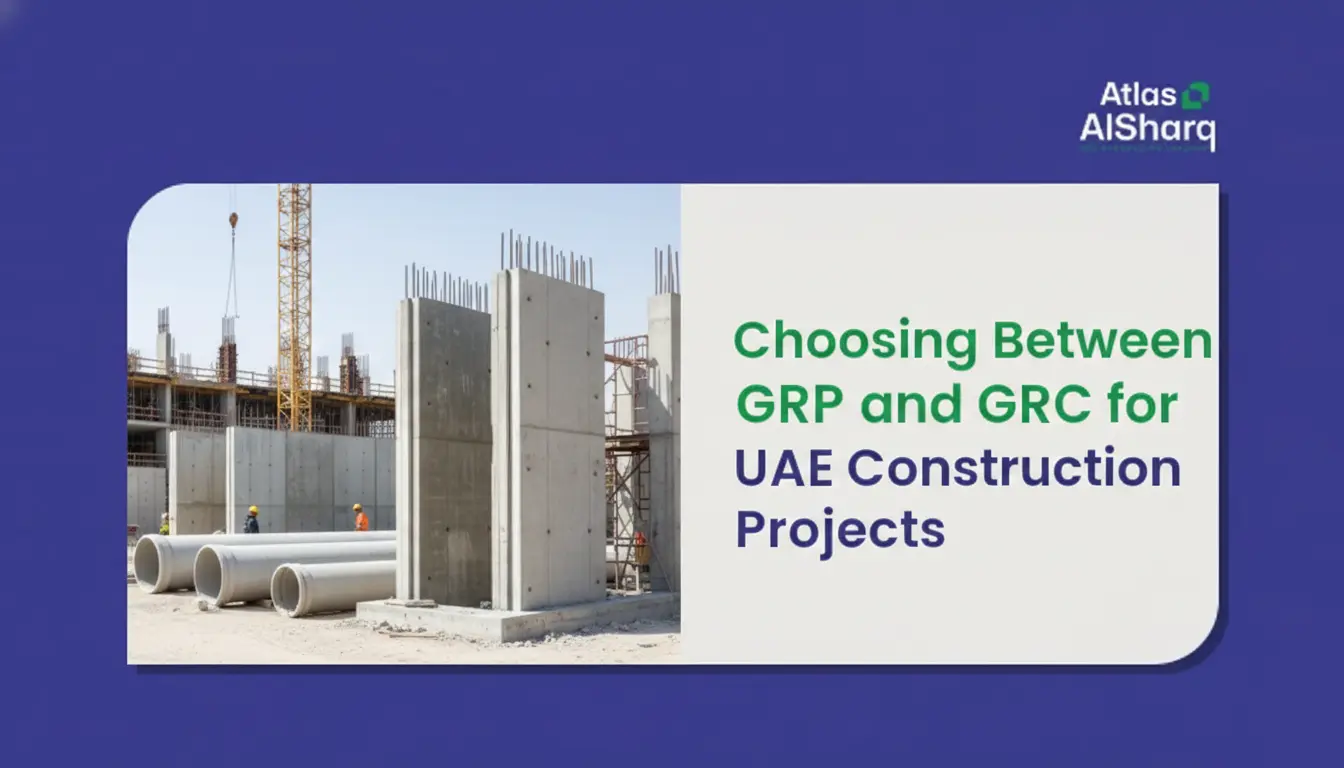
When it comes to contemporary construction and architectural works, material selection is amongst the most important aspects in ensuring the project is successful. Two of the most significant composite materials currently being used in construction are GRP (Glass Reinforced Plastic) and another similar composite material known as GRC (Glass Reinforced Concrete). Although they appear similar and consist of glass, they are used for two entirely different purposes.
Understanding GRP: Glass Reinforced Plastic
Glass Reinforced Plastic, also referred to as fiberglass, is a composite material that involves mixing glass fibers with a polyester or epoxy resin to form the plastic material. The outcome is a highly versatile material with outstanding property performances.
Key Properties of GRP
- Light Weight Construction: GRP has a remarkable strength/weight ratio which provides sufficient strength along with being much lighter compared to other conventional construction materials like wood, steel, and concrete.
- Superior Weather Resistance: The strength of the GRP lies in its higher capability to resist severe environment conditions, especially in areas having such environments. The material has good resistance to the effects of UV rays, heat, moisture, and salt in the environment.
- Design Flexibility: The flexibility property of GRP ensures the possibility to create complex forms, free-form structures, or other detailed designs, which cannot be achieved or may be quite difficult to achieve through other materials.
- Easy Maintenance: This material requires very less maintenance as it is inherently resistant to rust, rot, chemical, and impact, thus resulting in long-term costs being saved.
Pro Tip: When selecting GRP for coastal projects in the UAE, ensure your supplier provides UV-stabilized resin systems specifically formulated for Gulf region exposure to maintain structural integrity under extreme heat and radiation.
Primary Applications of GRP
GRP has been widely used owing to its versatility. Façades are made possible with the weather-resistant GRP cladding that retains its looks for longer. Roofing solutions use GRP sheets that are light and energy-efficient.
In infrastructure projects, GRP serves critical functions in water management systems, including pipes and storage tanks. The marine industry extensively employs GRP for boat hulls and offshore platforms where corrosion resistance is paramount. Additional applications include decorative canopies, doors, and specialized industrial equipment like GRP gratings for walkways and drainage systems.
Understanding GRC: Glass Reinforced Concrete
Glass Reinforced Concrete is an advanced innovation of regular concrete, and it is a mixture of cement, sand, water, and specially designed alkali-resistant glass fibers. This innovative material has the same properties as regular concrete with improved performance features.
According to industry standards, AR glass fibers must contain more than 16% zirconia to comply with internationally recognized specifications including EN, ASTM, and PCI standards.
Key Properties of GRC
- Structural Integrity: GRC provides robust structural support while maintaining significantly reduced weight compared to conventional concrete, allowing for more economical building frame construction and expanded design possibilities.
- Architectural Versatility: The material accommodates a wide range of shapes, textures, and finishes, enabling architects to realize complex designs and detailed ornamentation. GRC can effectively replicate the appearance of stone or classical architectural elements.
- Enhanced Durability: GRC panels demonstrate excellent edge and corner strength, improved surface detail quality, and superior resistance to cracking. Unlike traditional reinforced concrete, GRC doesn’t suffer from steel corrosion. Testing according to ASTM C947 standards confirms GRC’s exceptional flexural properties and long-term performance.
- Sustainable Construction: The reduced material thickness and lower weight of GRC panels contribute to more sustainable building practices by decreasing loads on structural frames and minimizing material consumption.
Primary Applications of GRC
GRC is rapidly becoming a favorite material for exterior building facade panels and precast concrete architectural elements. The material is very effective for making ornate features such as domes, statues, fountains, and planters.
Façade cladding is a prominent area where GRC’s capabilities are largely visible and useful. This product finds numerous applications in architectural elements such as screens, cornices, balustrades, and window surrounds. Decorative moldings are also made using this product.
In countries such as the UAE, the use of GRC has worked well in iconic buildings. The fact that the material is not affected by the extreme temperatures and at the same time is able to retain detailed finishes has made the material particularly useful in the climate of the Gulf countries.
GRP vs. GRC: Key Differences
| Aspect | GRP | GRC |
| Base Material | Glass fibers + Plastic resin | Glass fibers + Cement mortar |
| Primary Use | Water tanks, industrial storage, piping | Building facades, decorative elements |
| Best For | Wet, corrosive environments | Exterior architectural applications |
| Weight | Very lightweight | Lightweight (vs traditional concrete) |
| Maintenance | Minimal | Low, periodic joint inspection |
GRP vs GRC: Making the Right Choice
Selecting between GRP and GRC requires careful consideration of project requirements, environmental conditions, and aesthetic objectives.
When to Choose GRP
GRP stands for the best solution for projects involving light material with high weather resistance and flexibility in design approaches. GRP material is best suited for non-structural decoration work, over existing constructions when retrofitted, or for projects involving curves or special geometries.
The proximity to the coast is where the excellent resistance to corrosion of the GRP is of great advantage. Quick setting times and easy handling of the GRP are useful in the installation process. FRP is preferred in projects that are cost-saving.
Need expert guidance?
Explore Atlas Group’s GRP solutions tailored for the UAE climate.
When to Choose GRC
GRC is preferred over other materials in situations where there is a higher degree of structural complexity and where a classical architectural look is required. The material boasts strengths in designing building façades that call for a traditional concrete or stone look with a reduced weight.
Projects concerned with sustainability often choose GRC due to its long lifespan and low maintenance. With ornate concrete detailing, moldings, and historical designs required, GRC has the properties to achieve this.
Pro Tip: For high-rise projects in the UAE, GRC panels can increase leasable floor space by up to 5% due to their reduced thickness compared to traditional precast concrete, maximizing real estate value in premium locations.
Combining GRP and GRC
Sophisticated projects can successfully integrate both materials to optimize performance and aesthetics. GRP can serve decorative facade elements while GRC handles structurally integral components, creating a balanced approach that leverages each material’s strengths.
Performance in the UAE Climate
The harsh climatic conditions prevailing in the UAE and Gulf regions are unique and pose a challenge that is well met by both GRP and GRC materials. The factors responsible for affecting GRP materials are temperatures above 50°C, UV radiation, humidity levels along coasts, and sandstorms.
Both materials have been able to withstand extreme weather conditions and retain their aesthetic appeal. Dubai Mall, Palazzo Versace, and Paris-Sorbonne University in UAE are some of the iconic landmarks that have used both of these materials.
Maintenance and Longevity
GRP Maintenance: The low maintenance required for GRP products is mainly related to the cleaning process. The durable properties of GRP ensure that it is very resilient against environmental factors and remains strong and looks good with very little maintenance. For industrial applications, GRP ladders are engineered for 15-20+ year service life in UAE environments.
GRC Maintenance: Similar to GRC, the maintenance required for GRC is relatively low. Basically, the maintenance involves cleaning the surface. GRC is durable; thus, it does not crack. GRC is resistant to the effects of weather.
Testing standards matter: GRC panels meeting ASTM E119 fire resistance standards have achieved 2-hour fire ratings, critical for UAE building code compliance and safety requirements.
Looking for low-maintenance facade solutions?
View our maintenance-free GRP options designed for long-term performance.
Conclusion
Both GRP and GRC represent significant advances in construction materials technology, offering architects, engineers, and builders powerful tools for creating durable, aesthetically pleasing, and functionally superior structures.
Understanding each material’s distinct characteristics, optimal applications, and performance capabilities enables informed decision-making that aligns material selection with project requirements. Whether choosing the lightweight versatility of GRP, the structural integrity of GRC, or a strategic combination of both, these innovative composites continue to expand the possibilities of modern architecture.
For projects in challenging climates like the UAE, both materials have demonstrated exceptional performance and longevity. Their proven track record in iconic developments ensures these materials will continue playing vital roles in shaping the built environment for years to come.
When selecting between GRP and GRC for your next project, consider consulting with experienced manufacturers and installers who can provide guidance specific to your design requirements, environmental conditions, and budget constraints.
Ready to Transform Your Next Project?
At Atlas Group, we specialize in delivering premium GRP and GRC solutions tailored to the unique demands of the UAE climate. With years of experience in architectural composites and a portfolio of successful projects across the region, we understand the nuances of material selection, design execution, and long-term performance.
Whether you’re planning a commercial development, residential project, or need specialized architectural elements, our team of experts is ready to guide you through every stage—from initial consultation and design to manufacturing and installation.
Visit Atlas Group to explore our comprehensive range of GRP products, view our services portfolio, and discover how we can bring your architectural vision to life with innovative, durable, and aesthetically stunning composite materials.
Contact us today to discuss your project requirements and receive expert guidance on choosing the right materials for your specific needs.
Frequently Asked Questions?
What is the main difference between GRP and GRC?
GRP (Glass Reinforced Plastic) is a composite made from glass fibers and polymer resins, making it lightweight and highly corrosion-resistant. GRC (Glass Reinforced Concrete) combines glass fibers with cement, offering greater structural strength and a concrete-like appearance. GRP is ideal for decorative, lightweight applications, while GRC suits structural and load-bearing elements.
Which is more expensive: GRP or GRC?
GRP is generally more cost-effective in terms of material and installation costs due to its lighter weight and simpler installation process. GRC typically costs more due to its structural properties and heavier weight requiring more robust support systems. However, both materials offer long-term value through low maintenance and durability, especially in the UAE climate.
Can GRP and GRC withstand UAE’s extreme weather conditions?
Yes, both materials are specifically engineered to perform exceptionally well in the UAE’s harsh climate. GRP offers superior resistance to UV radiation, high temperatures (50°C+), humidity, and coastal salt exposure without corroding. GRC maintains structural integrity under extreme heat while providing excellent thermal performance. Both materials have proven track records in iconic UAE projects.
How long do GRP and GRC materials last?
When properly installed and maintained, GRP products typically last 15-25+ years in UAE environments, with some applications exceeding 30 years. GRC has a similar or longer lifespan of 25-40+ years due to its inherent durability and resistance to cracking. Both materials require minimal maintenance, making them cost-effective long-term investments.
Are GRP and GRC environmentally sustainable materials?
Yes, both materials support sustainable construction practices. GRC uses less material than traditional concrete due to its reduced thickness and weight, decreasing the overall carbon footprint. GRP’s lightweight nature reduces transportation emissions and structural loads. Both materials have long lifespans, reducing replacement frequency and waste. Additionally, manufacturing processes have become increasingly efficient with lower environmental impact.
Share:


Related Posts
-
January 19, 2026
|Grp Lining
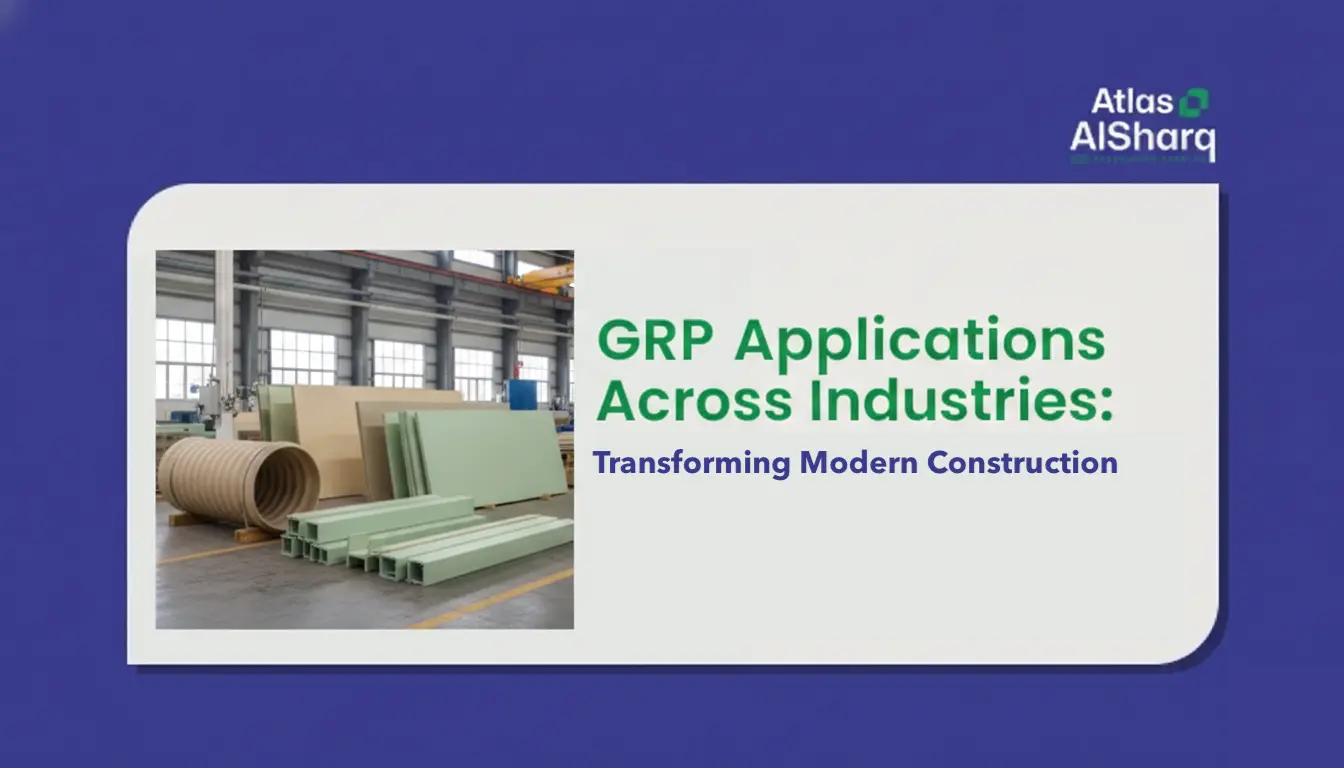
GRP Applications Across Industries: Transforming Modern Construction
Read MoreGlass Reinforced Plastic, also known as Glass Reinforced Polymer, commonly referred to as fiberglass, has emerged as a revolutionary composite material, transforming industries worldwide. Combining the strength of glass fibres with the versatility of polymer resins, GRP offers an exceptional solution for demanding applications where traditional materials fall short. Be it in the UAE’s challenging […]
-
September 1, 2025
|Grp Lining
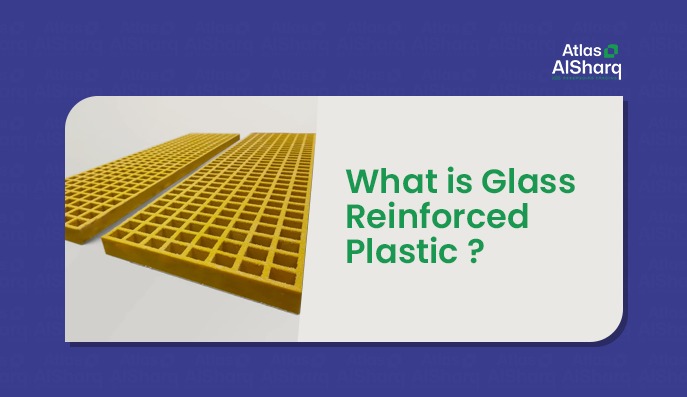
What is GRP or Glass Reinforced Plastic? Properties, Benefits & Applications
Read MoreFull Form of GRP The full form of GRP is Glass Reinforced Plastic, a high-performance composite material made by reinforcing polymer resin with fine glass fibres. This combination creates a material that is lightweight, extremely strong, and highly resistant to corrosion, chemicals, and moisture. Because of these properties, GRP is widely used in industries such […]
Explore Our Range and Enquire Now for Expert Advice!
Create Smart Solutions With Us Today