

What Is Cladding and Why GRP Cladding Is the Best Choice for Harsh Climates
November 17, 2025
|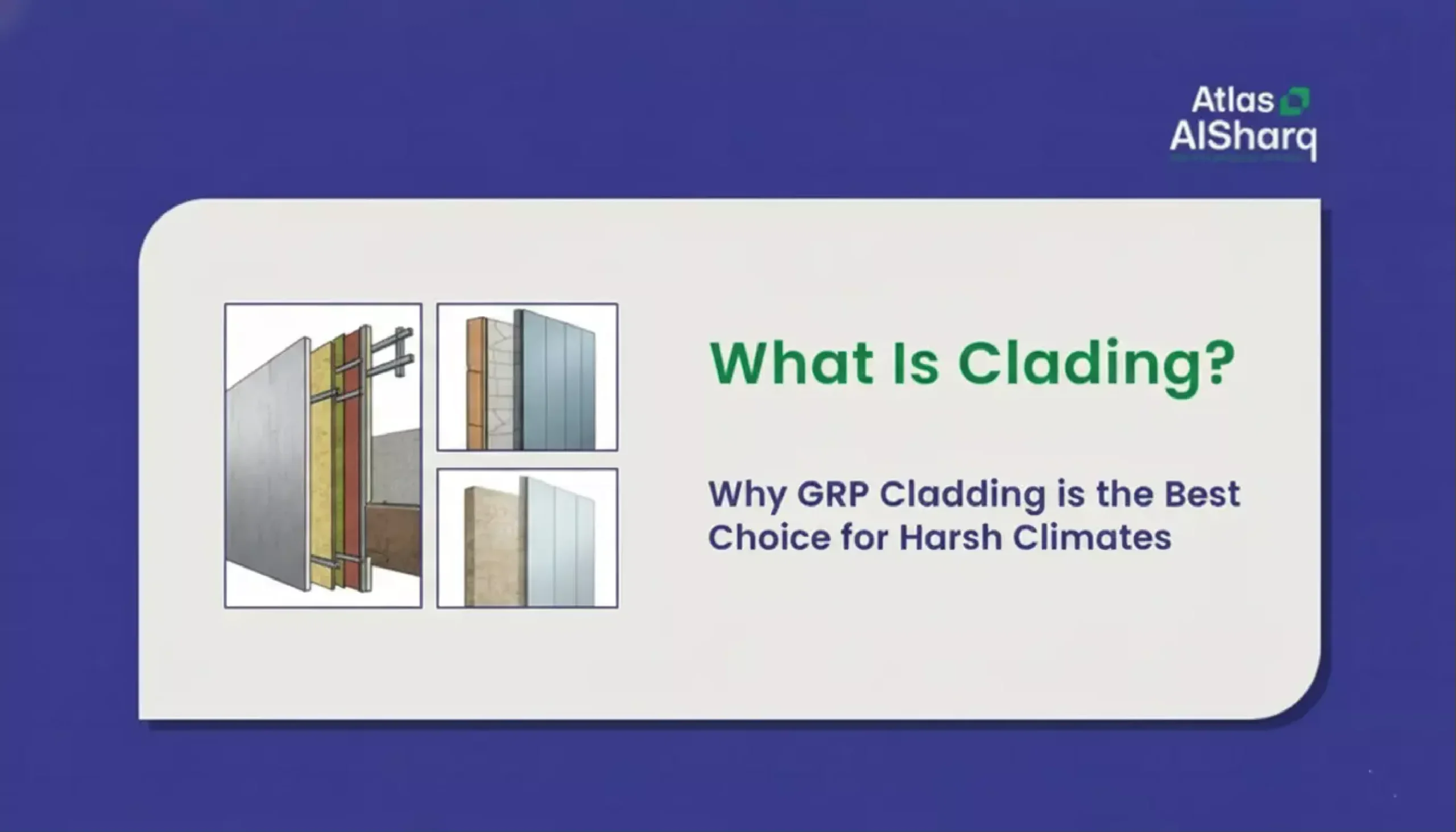
Table of Contents
- Definition of Cladding: Understanding the Basics
- Purpose of Cladding: Why Buildings Need Protection
- Types of Cladding: Exploring Your Options
- GRP Cladding: The Superior Choice for UAE Climate
- Want to understand the role of GRP in protective building applications?
- Cladding in Construction: How Cladding Works
- Cladding vs Facade: Understanding the Difference
- Advantages and Disadvantages of Cladding
- Is Cladding Waterproof?
- How to Choose Cladding for a Building
- Conclusion: Is Cladding Only for Aesthetics or Protection?
Modern buildings today are not just about strength and durability—they must also look elegant, resist harsh weather, and require minimal maintenance. This is where cladding plays a vital role. That is where cladding comes into play. Whenever you look at the buildings in the UAE, from the highest tower in Dubai down to other modern facilities in Abu Dhabi, you are beholding the work of modern cladding systems. But what is cladding, and why has it become an indispensable component in construction these days?
Definition of Cladding: Understanding the Basics
Cladding is a general term that defines the exterior layer or “skin” applied to a building’s structural framework. The meaning of cladding in construction encompasses both functional and aesthetic purposes; it is the protective outer covering that shields your building from environmental elements, improving the appearance of your building. Exterior cladding is not load-bearing, as opposed to the main structure of the building that bears the load, but rather an extra layer of defense.
Consider cladding to be the armor and outfit of a building. It protects the inner structure against harsh weather conditions while giving the building its distinctive character and style.
Purpose of Cladding: Why Buildings Need Protection
The purpose of cladding ranges way beyond simple decoration. In places like the UAE, where buildings face intense heat, occasional sandstorms, and high humidity, exterior wall cladding systems perform a host of vital functions:
- Weather Protection: Cladding acts as the first line of defense against rain, wind, UV radiation, and temperature fluctuations. This protective cladding for buildings prevents moisture penetration that could compromise structural integrity.
- Thermal Insulation: Quality wall cladding can significantly improve energy efficiency in a building by acting as an insulative barrier. According to construction industry research, proper insulation through cladding systems can reduce energy consumption by up to 40%. This is particularly valuable in the UAE’s climate due to the reduction of heat transfer, which can dramatically lower cooling costs.
- Aesthetic Appeal: Explaining building cladding would not be complete without mentioning its role in modern architecture. Cladding gives architects the opportunity for striking visual effects that make buildings stand out.
- Noise Reduction: Most cladding materials have excellent sound insulation properties, enabling quieter environments indoors, which is a crucial requirement for commercial buildings and residential complexes in busy urban areas.
Types of Cladding: Exploring Your Options
Knowing the different types of cladding materials available will be important when considering what exterior cladding is for your project:
1. Metal Cladding
Metal cladding provides toughness and an appealing, modern look, especially those made from aluminum and steel panels. These resist corrosion and require very little maintenance; hence, they are excellent for commercial use.

2. Composite Cladding
Composite cladding leverages the strengths of various materials that are combined. These composite wall claddings generally offer higher insulation value with lighter weight.
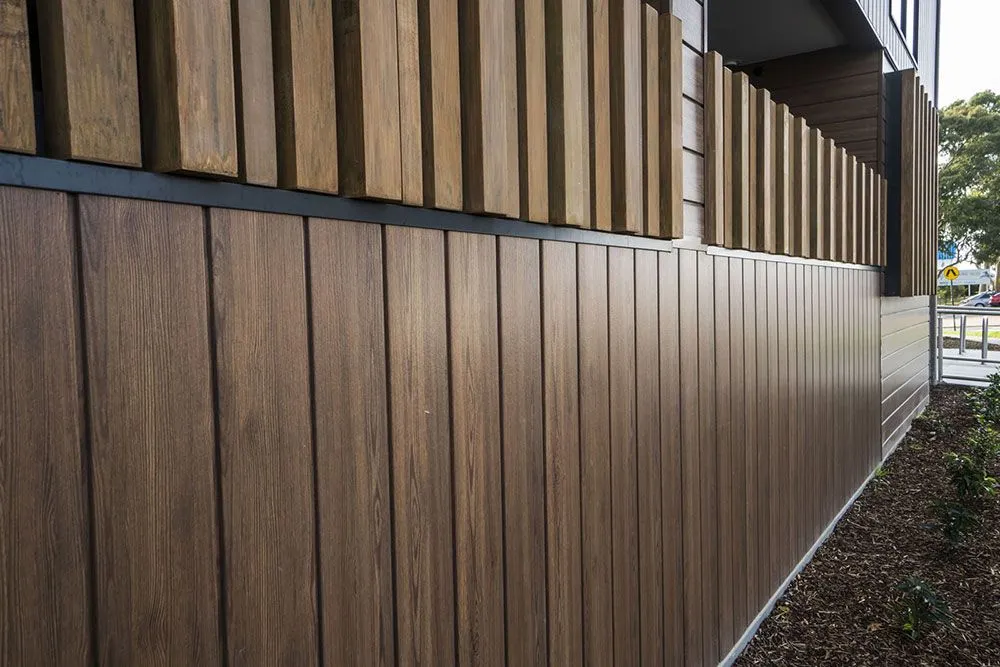
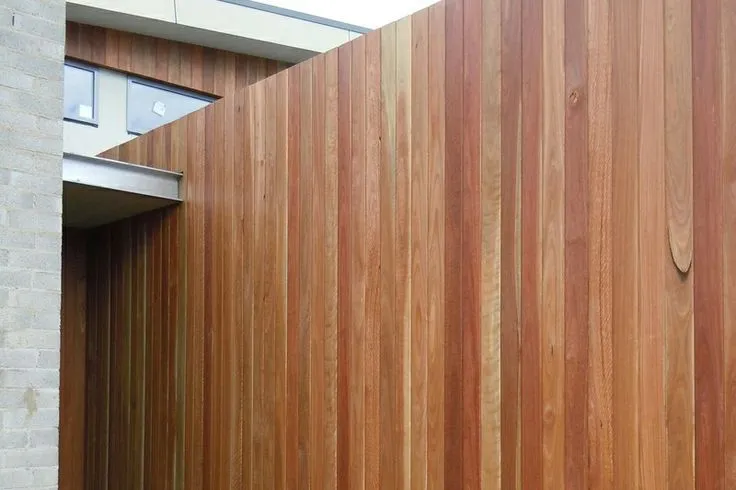
3. Timber Cladding
Sawn timber cladding brings natural warmth and organic aesthetics to buildings. While popular in temperate climates, it requires more maintenance in harsh environments.
Pro Tip: Timber cladding is not ideal for UAE’s climate due to high maintenance needs and vulnerability to extreme heat. Consider GRP or composite alternatives for better longevity.
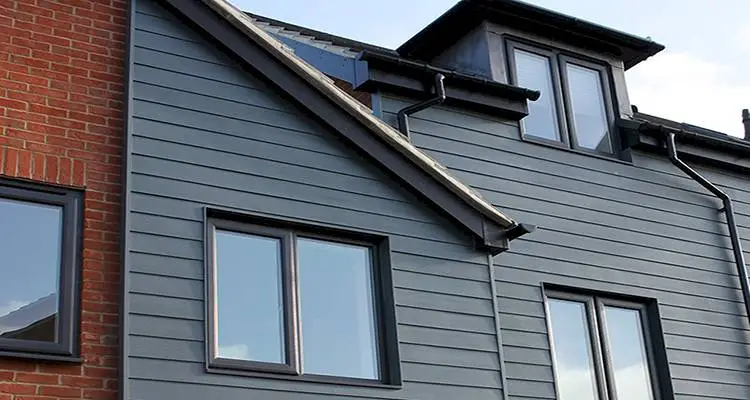
4. uPVC Cladding
Cost-effectiveness and weather resistance are assured with uPVC cladding, commonly used for residential projects due to budget considerations.
GRP Cladding: The Superior Choice for UAE Climate
What is GRP cladding material? Glass Reinforced Plastic, commonly referred to as GRP, cladding represents one of the most advanced solutions available today. GRP cladding combines fiberglass with resin to create panels that are incredibly durable, lightweight, and resistant to environmental degradation.
Benefits of GRP cladding for UAE projects include:
- Excellent heat resistance: does not warp or degrade at high temperatures
- Corrosion immunity: Unlike metal alternatives, GRP doesn’t rust or corrode, even in coastal environments
- Lightweight construction: minimizes load, yet very strong.
- Low maintenance: Requires minimum maintenance compared to other traditional materials.
- Design flexibility: Can be molded into various shapes and finished in multiple colors.
- Waterproof properties: Has complete moisture protection
- Longevity: Maintains performance and appearance for decades
Want to understand the role of GRP in protective building applications?
Cladding in Construction: How Cladding Works
Knowing what cladding is in architecture requires understanding how these systems function. Most modern exterior wall cladding systems are made up of:
- The Outer Panel: The weathering surface that presents itself for aesthetics and weather protection.
- Insulation Layer: The material that enhances thermal and acoustic performances.
- Air Cavity: Space to allow moisture to escape, hence avoiding condensation.
- Fixing System: Mechanisms that secure the cladding to the building structure
This layered approach creates a “rainscreen” effect, where water runs down the outer surface without penetrating to the building structure, while the cavity allows any trapped moisture to evaporate.
Cladding vs Facade: Understanding the Difference
People often ask about the difference between cladding and facade. Essentially, these are two different things, although the terms are mostly used interchangeably. The facade represents the whole exterior face of the building, with windows, doors, and other architectural features included in it. Cladding is an outside layer of material that covers walls for protection and ornamentation. In other words, cladding is a part of a facade system.
Advantages and Disadvantages of Cladding
When considering what the different types of cladding materials for your project are, remember the following:
Advantages:
- Better weather protection and longer building life.
- Improved energy efficiency and reduced operational costs
- Increased property value and aesthetic appeal
- Flexibility in design and renovation options
- Better acoustic insulation
Disadvantages:
- Installation costs can be very high initially.
- Certain materials require regular maintenance.
- Improper installation can lead to moisture problems
- Not all materials suit every climate or application.
Is Cladding Waterproof?
A very common question is: is cladding waterproof? It depends on the material and quality of the installation. GRP cladding and some composite materials boast excellent waterproofing properties. The key, however, lies in proper installation with appropriate sealing and drainage systems. When correctly installed, quality cladding systems create highly effective water barriers.
Related Service: GRP Lining and Waterproofing Services in UAE
How to Choose Cladding for a Building
Selection of the best cladding materials for buildings involves several factors:
- Climate conditions: UAE’s intense heat and occasional humidity demand materials with superior thermal and moisture resistance
- Building type and purpose: Commercial, residential, and industrial buildings have different requirements.
- Budget constraints: Balance initial costs against long-term maintenance expenses
- Aesthetic goals: The cladding should align with your desired architectural vision.
- Durability expectations: the building’s intended life span
- Ongoing care requirements: Assess ongoing maintenance needs
Conclusion: Is Cladding Only for Aesthetics or Protection?
So, is cladding for aesthetics or protection? The answer is straightforward: modern cladding does both equally. It’s a comprehensive building solution that protects structures from environmental damage while creating visually striking architecture.
At Atlas Al Sharq, we understand that the UAE presents its own unique construction challenges. As experts in GRP solutions, our team is perfectly positioned to guide you through choosing and installing the ideal cladding system for your project-whether you are designing a new structure or renovating an existing building, the right cladding choice can make all the difference in performance and cost while offering real aesthetic appeal.
Ready to explore superior cladding solutions for your project? Contact Atlas Al Sharq today to discuss how our GRP cladding and waterproofing expertise can transform your building.
Frequently Asked Questions?
What is cladding in construction and why is it used?
Cladding in construction refers to a protective layer applied to the exterior or interior surface of a building. It is used to safeguard the structure from weather, moisture, and temperature variations while improving aesthetics and insulation.
What are the different types of cladding materials?
Common cladding materials include metal, timber, uPVC, composite panels, stone, and GRP (Glass Reinforced Plastic). Each material offers different levels of durability, insulation, and design flexibility.
What are the maintenance requirements for cladding?
This varies by material. GRP cladding requires minimal maintenance—typically just periodic cleaning with water and mild detergent. Metal cladding may need more frequent inspection for corrosion, while timber cladding requires regular treatment to prevent degradation.
Is external wall cladding durable?
When quality materials are properly installed, cladding systems can last 25-50 years or more. GRP cladding, in particular, maintains its structural integrity and appearance for decades, even in challenging environments like the UAE.
Is GRP cladding suitable for UAE climate?
Yes. GRP cladding is ideal for hot, humid, and coastal climates because it resists UV exposure, corrosion, and moisture — perfect for regions like the UAE.
Share:


Explore Our Range and Enquire Now for Expert Advice!
Create Smart Solutions With Us Today